
Quick answer: Postpartum hair loss is often a temporary shedding pattern called telogen effluvium. It can become noticeable a few months after birth, peak around month four, and ease over the following months; many people regain their usual fullness by their baby’s first birthday.
Seeing more hair in the shower or brush can feel alarming. This guide explains what is typical, what may help reduce breakage, and when to ask a clinician about other causes.
Postpartum Hair Loss Timeline at a Glance
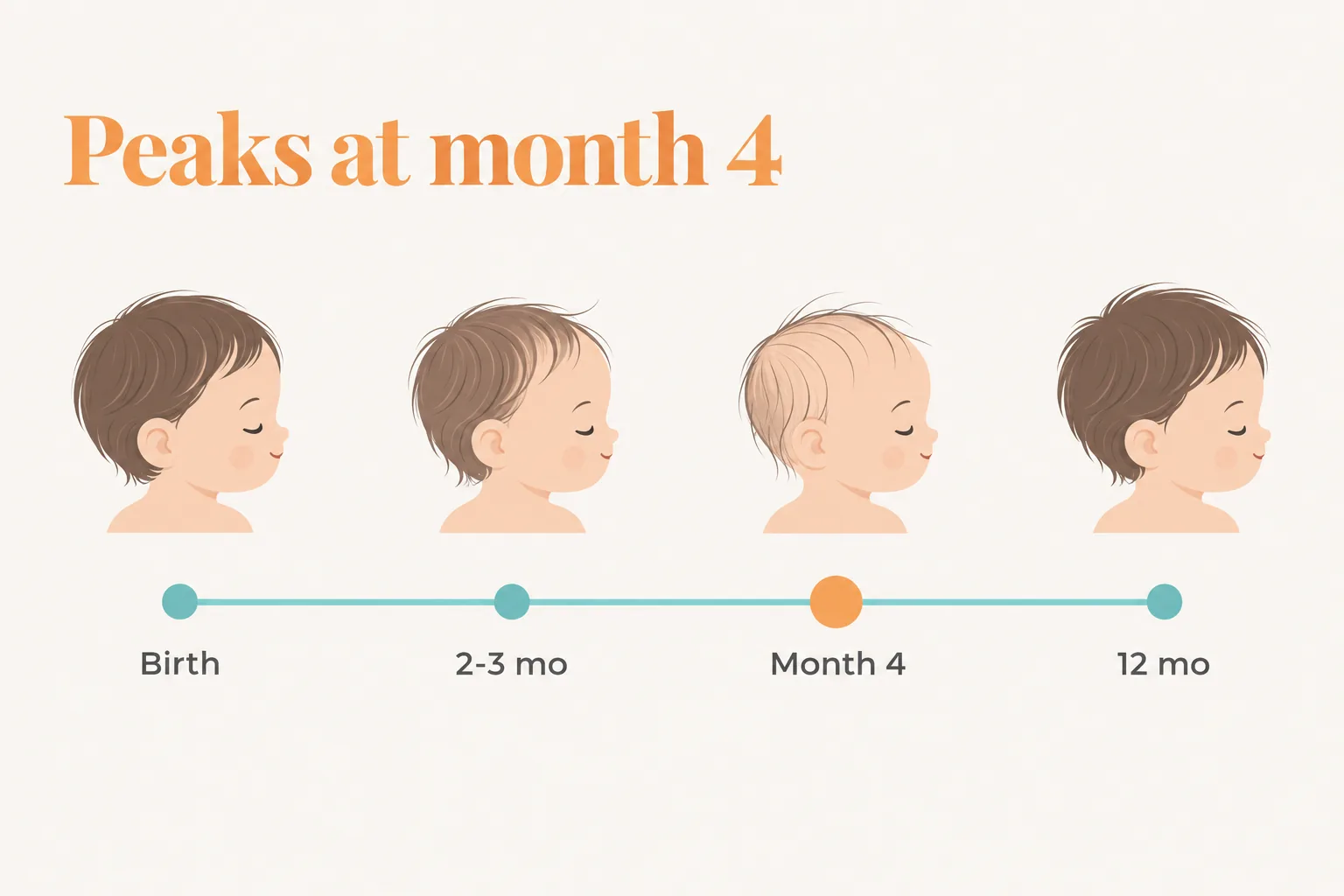
| What to expect | Typical pattern |
|---|---|
| When it starts | Often around 2–3 months after birth, though timing varies. |
| When it may peak | Commonly around month four. |
| When it improves | Shedding usually eases over the following months; many people see their usual fullness return by about their baby’s first birthday. |
| When to get advice | Ask a clinician sooner for patchy loss, scalp symptoms, other new symptoms, or shedding that is not improving. |
These are common timeframes, not deadlines; individual patterns can vary. The American Academy of Dermatology’s guide for new mothers says shedding often peaks around month four and most people regain normal fullness by their child’s first birthday.
What Is Postpartum Hair Loss?
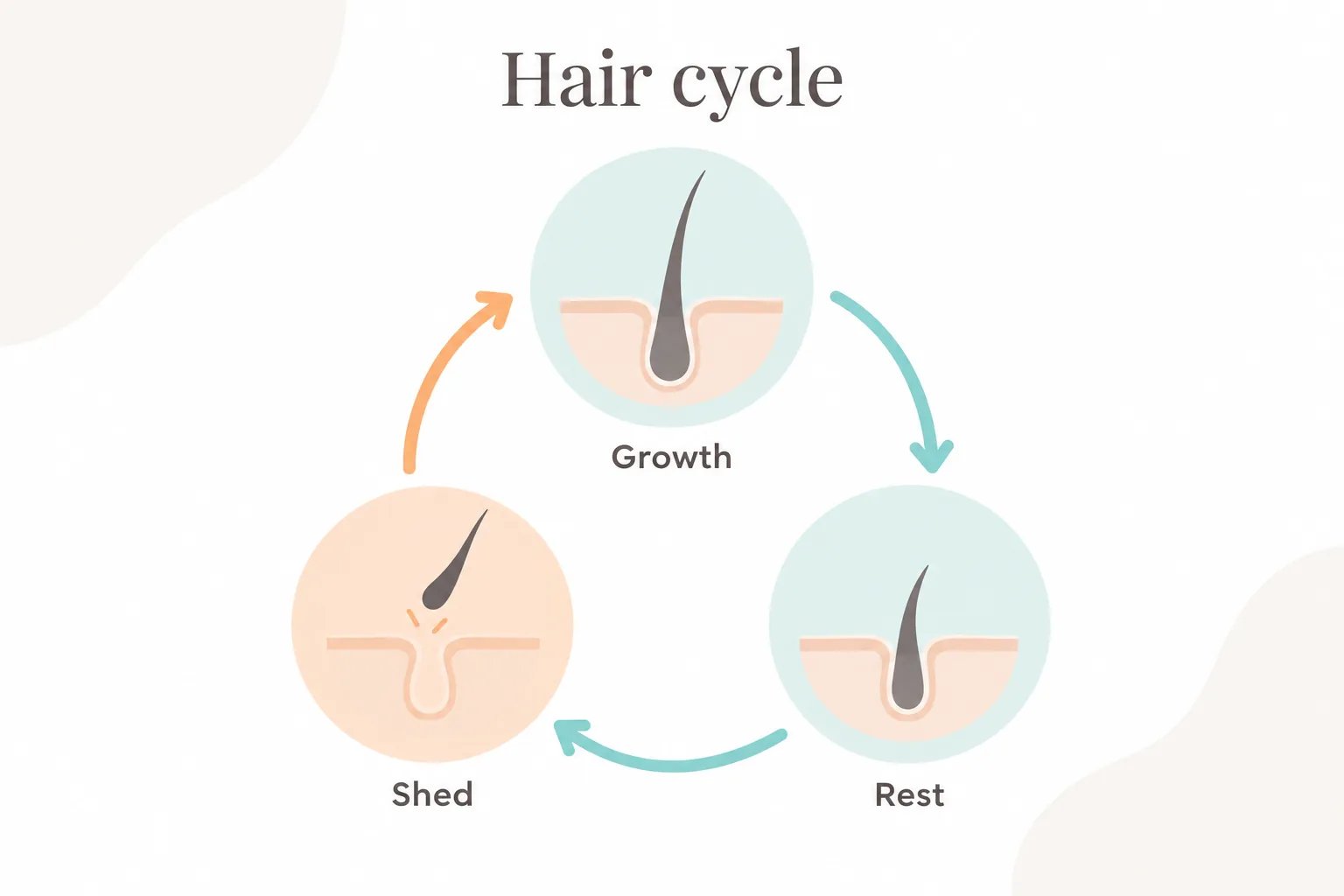
A common cause of increased shedding after birth is telogen effluvium, a temporary increase in shedding that happens when more hairs than usual enter the resting phase of the growth cycle. In typical cases, the follicles remain present, so regrowth is expected.
During pregnancy, hormonal changes can keep more hair in the growth phase. After birth, hormone levels shift, and those hairs gradually move into the shedding phase. Because the cycle takes time, shedding often becomes noticeable weeks or months after delivery rather than immediately.
The shedding is usually spread across the scalp. Smooth bald patches, scalp pain or inflammation, or a steadily widening part are reasons to ask a clinician whether something else may be contributing.
Postpartum hair shedding is common, temporary and often a normal part of recovery after having a baby.Read on LinkedIn ↗
Shedding or Breakage: What Is the Difference?
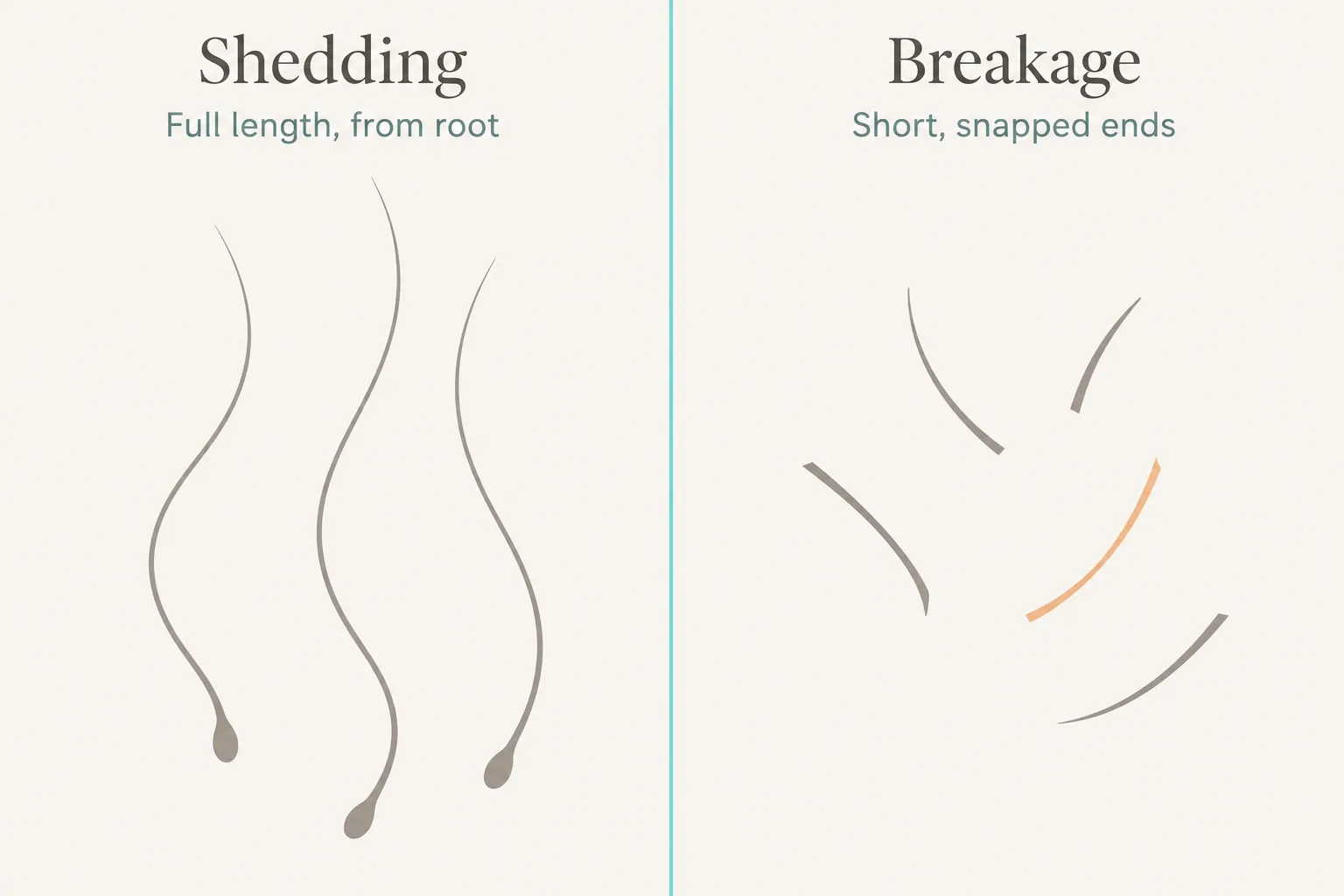
Shedding releases hairs from the scalp, while breakage leaves shorter pieces that have snapped along the hair shaft. This is only a rough distinction; looking at a strand cannot identify the cause by itself. If you are seeing patchy loss, scalp changes, or ongoing breakage around the hairline, ask a clinician for an assessment. For more on how shedding differs from other hair-loss patterns, see the American Academy of Dermatology’s guide to hair shedding.
Will my hair grow back after postpartum hair loss?
New growth may appear as short hairs around the hairline or part while longer strands are still shedding. These shorter hairs can stick up or feel harder to style. Regrowth happens gradually, so it may take time for new hairs to reach the length of the rest of your hair.
Why Does Hair Shed After Birth?
The main explanation for routine postpartum shedding is the shift in hormones after pregnancy. It is not possible to diagnose the cause from the amount of hair in a shower, and postpartum shedding can occur alongside other health or scalp conditions.
Other factors a clinician may consider include:
- Iron deficiency, depending on your health history and symptoms.
- Thyroid conditions, including postpartum thyroiditis.
- A recent major illness, surgery, or period of significant stress.
- Rapid weight change or a restrictive diet.
These possibilities do not mean that every person with postpartum shedding has a deficiency or needs the same tests. A clinician can decide what is relevant to your situation.
Postpartum Thyroiditis and Hair Shedding
Postpartum thyroiditis is an inflammation of the thyroid that can occur during the first year after birth. Some people experience a period of overactive thyroid symptoms, underactive thyroid symptoms, or both; symptoms such as fatigue, anxiety, changes in temperature tolerance, or weight change can overlap with postpartum recovery. A clinician can assess symptoms and decide whether thyroid tests are appropriate. For an overview, see NIDDK’s information about thyroid disease and pregnancy.
Contact a healthcare professional if you have symptoms that concern you, especially a racing heartbeat, tremor, unusual temperature intolerance, a noticeable swelling at the front of the neck, or persistent fatigue. Do not assume these symptoms are caused by hair shedding or new-parent exhaustion.
Does Breastfeeding Cause Postpartum Hair Loss?
Routine postpartum shedding is linked to hormonal changes after pregnancy. One questionnaire-based study found an association between breastfeeding duration and shedding, but its design cannot establish that breastfeeding caused hair loss. Do not change feeding plans based on that study alone; discuss nutrition, supplements, and symptoms with your clinician if you have concerns.
What May Help While You Wait for Regrowth
There is no proven product that immediately stops routine postpartum shedding.
Gentle hair care may reduce breakage and make hair look fuller while the cycle settles. If a deficiency or another condition is found, a clinician can guide treatment for that cause.
When to Ask a Clinician About Testing
If shedding is unusually heavy, continues without improvement, or comes with other symptoms, ask a clinician whether an exam or tests are appropriate. Testing depends on your history and symptoms; it should not be a standard checklist for everyone.
Do not start iron or high-dose supplements on your own. A clinician can advise whether you need a supplement and how much to take.
Nutrition and Vitamins
Regular meals and a varied diet support overall recovery, but no particular food or supplement is proven to stop typical postpartum shedding. If you are breastfeeding, have dietary restrictions, or are worried about a deficiency, ask your clinician whether your current diet or supplements need review.
Biotin is included in many hair supplements. It can interfere with some laboratory tests, so tell your clinician and laboratory staff about any biotin-containing products you take. Ask them whether you should pause a supplement before testing. See the FDA’s information about biotin interference with lab tests.
Shampoos, Styling Products, and Minoxidil
Volumizing shampoos can make existing strands look fuller, but they do not change the hair-growth cycle or stop shedding. Use conditioner mainly on the lengths and ends if heavier products make your roots look flat.
Gentle handling can help reduce breakage:
- Detangle from the ends upward with a wide-tooth comb, working in small sections.
- Choose loose styles and avoid repeatedly pulling at the hairline.
- Limit high heat and chemical processing if your hair feels fragile.
- Wash on your usual schedule. Washing releases hairs that were already ready to shed; skipping washes does not prevent that shedding.
Should I Cut My Hair?
A haircut cannot reduce shedding because it does not change the follicle cycle. A shorter or blunter style may be easier to wash, dry, and detangle, and can make the ends look more even while new hair grows. Longer hair may create larger-looking clumps, but its length does not mean more follicles are shedding. Choose a style for comfort or appearance, not as a treatment.
For temporary coverage, try shifting your part or using a root powder or hair fiber that matches your hair color. These options change the appearance of the part; they do not treat the cause of shedding.
Minoxidil is not a routine treatment for temporary postpartum shedding. If you are considering it, talk with a clinician first. LactMed says topical minoxidil may be acceptable once breastfeeding is established, but the baby should not touch skin treated with the product.
When to Seek Medical Advice
Arrange a medical review if you notice any of the following:
- Round or clearly defined patches of hair loss.
- Scalp pain, burning, persistent itching, scaling, or inflammation.
- A widening part or hairline change that continues, or little sign of regrowth over time.
- Hair breakage or thinning around the hairline, particularly if you often wear tight braids, buns, extensions, or ponytails.
- Other new or persistent symptoms, such as a racing heartbeat, tremor, unusual temperature intolerance, unexplained weight change, persistent fatigue, or swelling at the front of the neck.
- Shedding that is not easing over time, or usual fullness that has not begun to return by about one year after birth.
These signs do not identify a specific condition on their own. A primary-care or obstetric clinician can review your symptoms and scalp and decide whether referral to a dermatologist or testing is needed. Seek advice sooner if the symptoms are worsening or causing significant distress.
What to Note Before an Appointment
Write down when the shedding began, whether it is diffuse or in patches, and any scalp or other symptoms. Mention recent illnesses, major weight changes, medications, and supplements, including biotin. This information can help the clinician decide what to examine and whether tests are appropriate. If you take photos, use similar lighting and a similar part so you can compare changes more fairly. Photos cannot diagnose the cause, but they may help you describe what you have noticed.
Heavy shedding can also leave loose hairs around a baby. Check fingers and toes if a hair appears wrapped around them; seek prompt medical help if it is tight, embedded, or cannot be removed. The Cleveland Clinic’s postpartum hair loss guide explains this rare hair-tourniquet risk.
Coping With the Emotional Impact
Seeing more hair in the shower can be upsetting, even when shedding is expected to improve. It is reasonable to bring the concern up at a postpartum appointment rather than feel you have to wait until it becomes severe.
If low mood, anxiety, loss of interest, intrusive thoughts, or difficulty feeling connected to your baby are also affecting you, tell a healthcare professional. Hair shedding does not diagnose postpartum depression, but emotional-health concerns deserve attention in their own right.
Frequently Asked Questions
Related readingMikayla Gratz, CNM – MWC PregnancyRead the guide →Frequently asked questions
Is it normal to still have postpartum hair loss after a year?
How much hair shedding is normal after birth?
Can hair shedding happen after pregnancy loss?
MWC Postpartum Support
MWC Pregnancy describes postpartum checkups and support for physical and emotional recovery. Its listed locations include Maplewood, Woodbury, Apple Valley, and Hudson, Wisconsin. If you receive care at MWC and your shedding concerns you, bring it up at a postpartum visit or contact the care team to ask which appointment is appropriate. Read about MWC postpartum care for details.
Conclusion
Postpartum hair loss can look dramatic, but routine shedding often improves over time. Be gentle with your hair, avoid treating supplements or products as guaranteed fixes, and seek advice if the pattern is unusual or persistent. If your postpartum hair loss is worrying you, discuss it with a clinician who can review your symptoms and recommend next steps.
This article is general information, not medical advice. Talk to your healthcare provider about your own symptoms, testing, and any treatment or supplement, especially while pregnant or breastfeeding.