

Anemia during pregnancy can appear on a routine blood test before you notice symptoms. When symptoms do occur, they can feel like ordinary pregnancy tiredness.
What Anemia During Pregnancy Actually Means
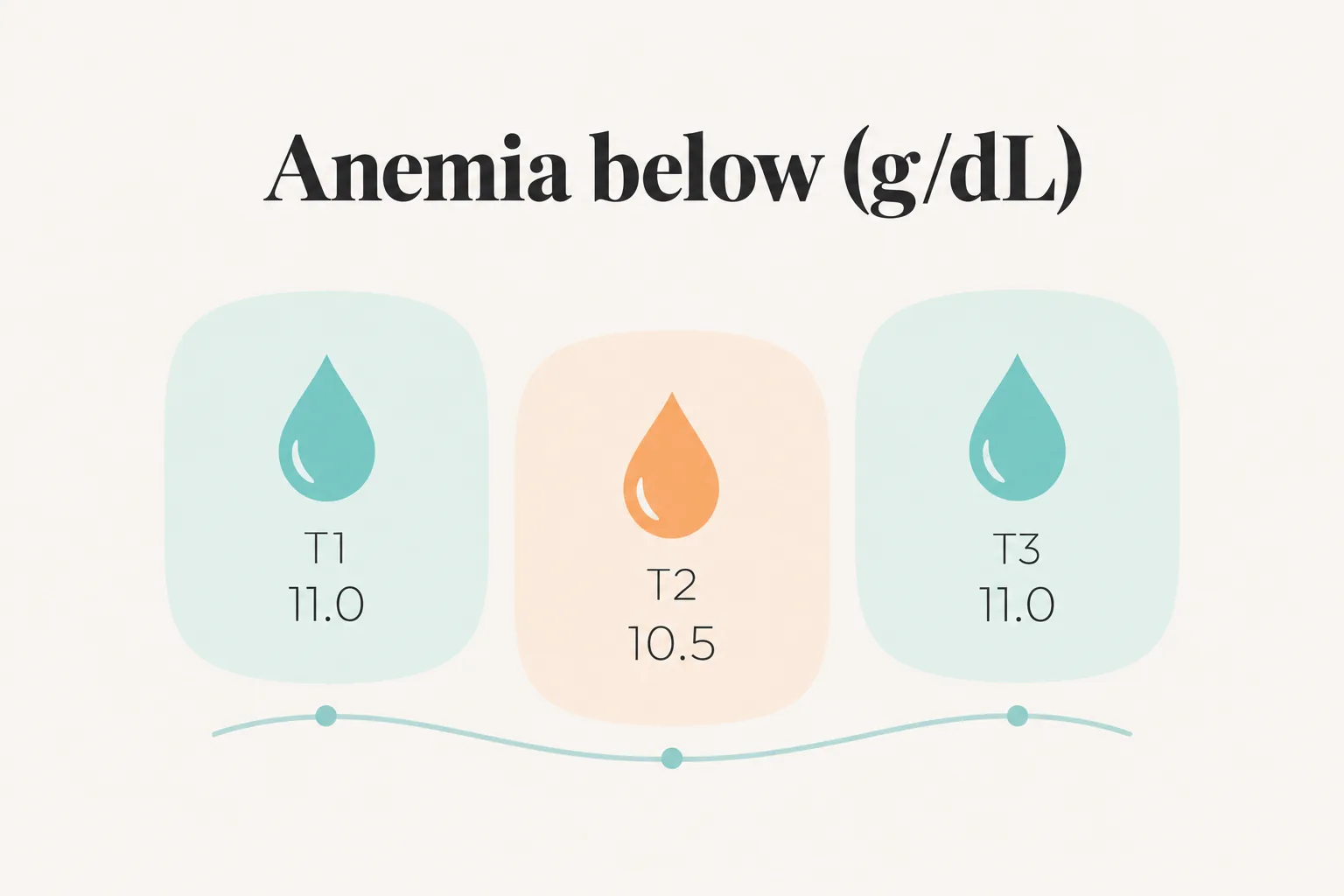
Anemia means you have fewer healthy red blood cells or less hemoglobin than expected, which can affect how oxygen is carried through your body.
Pregnancy complicates the picture. Blood volume rises steeply, and plasma expands faster than red cell mass, so hemoglobin concentration drops even in a healthy pregnancy. That dilution is normal. A result below the pregnancy cutoff still deserves evaluation to find out why it is low.
Anemia in pregnancy is largely dilutional . For most people it’s simply that your blood volume goes up more than your number of red blood cellsRead on Reddit ↗
Because of that dilution, the diagnostic cutoff shifts with gestational age. Under WHO’s 2024 guidance, hemoglobin below 11.0 g/dL in the first and third trimesters or below 10.5 g/dL in the second meets the definition of anemia in pregnancy. A number that looks fine at 26 weeks may be abnormal at 10 weeks.
The American College of Obstetricians and Gynecologists (ACOG) recommends a complete blood count at the first prenatal visit and again at 24 to 28 weeks, as summarized by the National Institutes of Health. You can discuss your results and questions during prenatal care at MWC.
What Causes Anemia During Pregnancy
Iron deficiency is the most common pathologic cause. Iron needs rise as pregnancy progresses to support additional maternal red blood cells and growth of the placenta and baby. Some people begin pregnancy with iron stores that cannot meet those needs.
Other causes include:
- Folate or vitamin B12 deficiency, which produces megaloblastic anemia
- Blood loss during pregnancy or delivery
- Inherited hemoglobin disorders such as sickle cell disease and thalassemia
Risk factors worth raising with your provider early: pregnancies close together, carrying twins or triplets, heavy periods before conception, hyperemesis gravidarum, a vegetarian or vegan diet without iron planning, prior bariatric surgery, and teen pregnancy.
Symptoms of Low Hemoglobin During Pregnancy
Symptoms can include fatigue beyond your usual pregnancy tiredness, weakness, dizziness, and shortness of breath with mild activity. You may also notice pale skin, lips, nail beds, or inner eyelids, cold hands and feet, headaches, trouble concentrating, or a fast or irregular heartbeat.
Cravings for ice or nonfood items, called pica, can occur with iron deficiency but do not diagnose it. Tell your provider if they happen.
Mild anemia during pregnancy frequently causes no symptoms at all, which is why lab screening matters more than how you feel.
How Anemia Is Diagnosed During Pregnancy
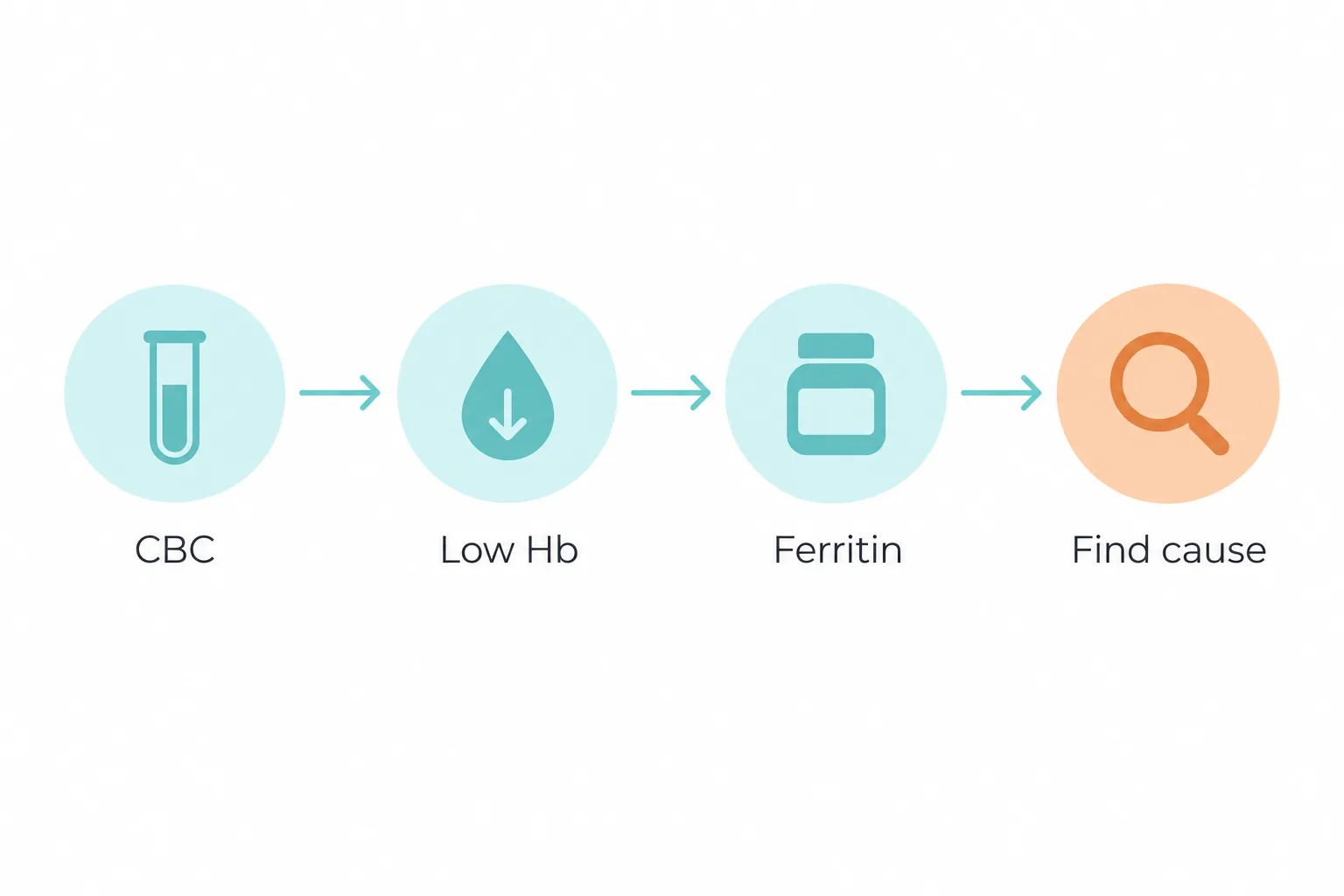
A complete blood count shows your hemoglobin level and other details about your red blood cells. If anemia is found, your provider may order a separate ferritin test to assess iron stores and decide whether other testing is needed. Hemoglobin alone cannot tell whether the cause is iron deficiency, a vitamin deficiency, blood loss, or an inherited blood condition. Inflammation can raise ferritin, so your provider may consider that when interpreting the result.
Mild, Moderate and Severe: What the Numbers Mean
Severity is graded by hemoglobin concentration, and WHO’s 2024 ranges differ in the second trimester:
| Severity | First and third trimesters | Second trimester |
|---|---|---|
| Mild | 10.0 to 10.9 g/dL | 9.5 to 10.4 g/dL |
| Moderate | 7.0 to 9.9 g/dL | 7.0 to 9.4 g/dL |
| Severe | Below 7.0 g/dL | Below 7.0 g/dL |
A severe result calls for prompt clinical assessment. The number alone does not determine which treatment is needed.
Anemia During Pregnancy in the Third Trimester
Iron needs continue to rise late in pregnancy as your baby grows and builds iron stores. The normal dilution-related dip in hemoglobin usually reaches its low point earlier, in the second trimester.
A diagnosis late in pregnancy leaves less time to address iron deficiency before delivery. Oral iron takes weeks to raise hemoglobin, and entering labor with anemia can make blood loss harder to tolerate. Your provider may consider your symptoms, test results, and time until birth when planning treatment.
Risks to Mother and Baby
For you, anemia may cause fatigue and reduce how much blood loss you can tolerate during delivery. Research also associates lower maternal hemoglobin with a greater chance of needing a transfusion.
For your baby, research on severe anemia has found an association with low birth weight. That research does not mean one blood-test result predicts your baby’s outcome. Risk depends on the cause, severity, and timing of anemia. Even a mild result deserves an appropriate follow-up plan.
How Anemia Is Treated During Pregnancy
When tests indicate iron-deficiency anemia, oral iron is usually the first treatment. A prenatal vitamin helps meet daily needs but may not contain enough iron to treat an established deficiency. Your provider can advise whether you need a separate iron supplement.
How you take iron can affect absorption and side effects:
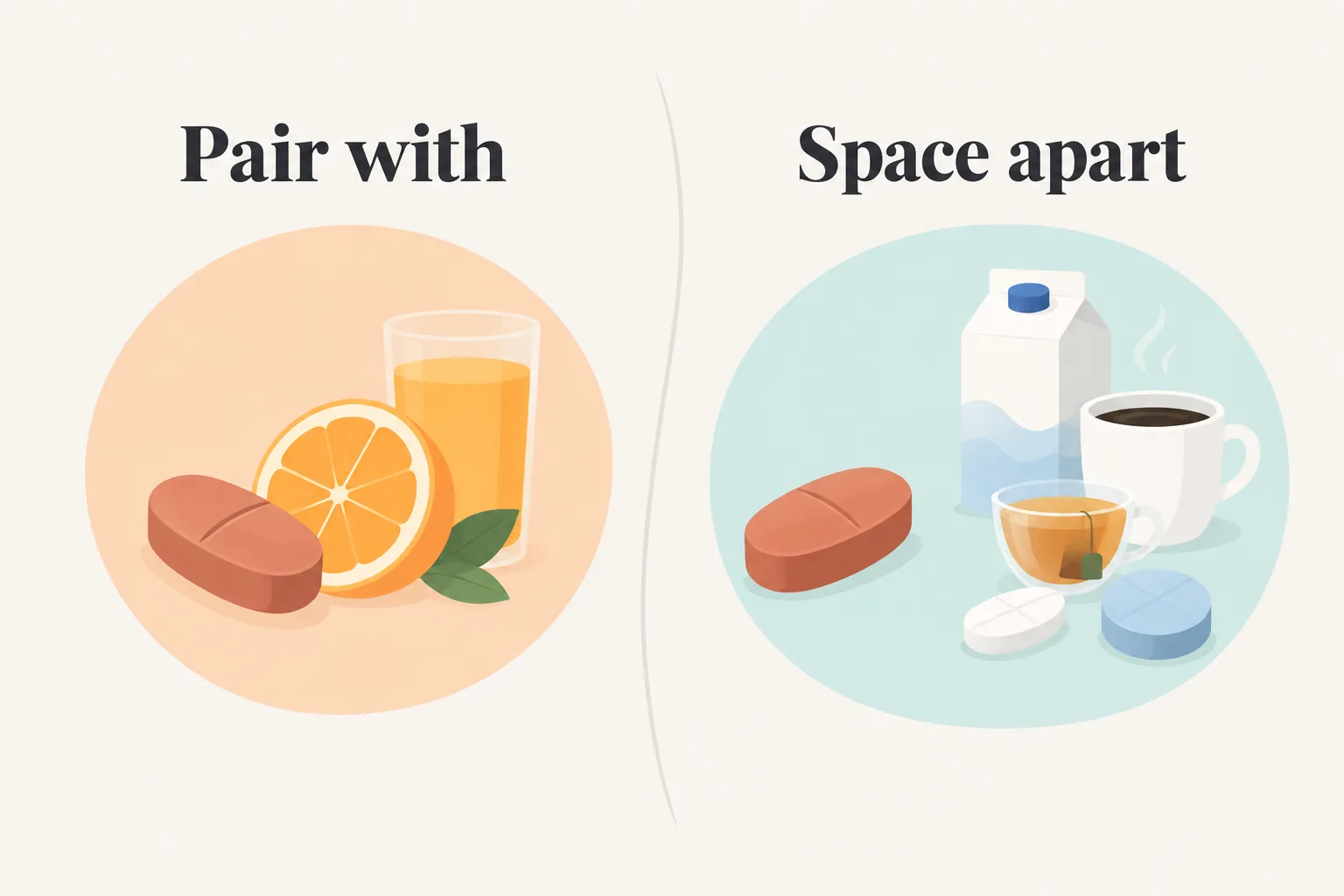
- A vitamin C-rich food or drink may help with absorption, but taking vitamin C with every iron dose is not required.
- Take an iron supplement separately from calcium supplements, dairy, antacids, coffee, and tea; ask your provider or pharmacist how to space it from other medicines.
- If daily iron is hard to tolerate, ask whether a different formulation, dose, or schedule is appropriate for you.
- Tell your provider about constipation or nausea before stopping treatment.
If oral iron cannot be tolerated, is not working, cannot be absorbed well, or there is little time before delivery, a clinician may consider IV iron after the first trimester. Blood transfusion is considered in selected cases of severe anemia, serious symptoms, or significant bleeding; the decision depends on the full clinical picture. If the deficiency is B12 or folate, iron will not fix it; the missing nutrient is replaced specifically. Your provider may repeat blood tests after a few weeks to check your response.
How to Boost Hemoglobin in Pregnancy Through Food
Heme iron from lean red meat, poultry and fish absorbs considerably better than non-heme iron. Non-heme sources include lentils, beans, tofu, fortified cereals, pumpkin seeds and spinach. Pair plant sources with vitamin C-rich foods such as citrus, bell peppers, or strawberries. NIH’s iron guidance explains how food sources and absorption differ. Food supports your iron intake, but diagnosed iron-deficiency anemia often needs more than dietary changes alone.
Preventing Anemia Before It Starts
Before pregnancy, discuss your iron status with a clinician if you have heavy periods, a history of anemia, or other risk factors. During pregnancy, take the prenatal vitamin recommended by your care team and check its label for iron; some formulations contain none. Keep your recommended blood-test appointments and mention risk factors even if you feel well.
If you had anemia during pregnancy, substantial blood loss at delivery, or symptoms that continue afterward, ask whether you need follow-up testing or continued treatment. You can raise these questions during postpartum care at MWC.
FAQs About Anemia in Pregnancy
Related readingJacquelyn Mirr, MD – MWC PregnancyRead the guide →Frequently asked questions
Can anemia harm my baby?
Can I still take iron if it upsets my stomach?
How long until my hemoglobin improves?
When to Call Your Provider
Seek urgent medical care for chest pain, severe trouble breathing, fainting, or a fast heartbeat with dizziness or weakness. Contact your pregnancy care team about any vaginal bleeding; heavy bleeding or bleeding with pain or fainting needs urgent care. Also call if symptoms worsen despite treatment.
Anemia during pregnancy can often be treated once its cause is identified. If you have questions about symptoms or blood-test results, contact MWC Pregnancy to discuss your prenatal care.