
Pregnancy can bring complicated feelings. Persistent sadness, numbness, or loss of interest may be a sign of prenatal depression, also called antenatal depression. It is a treatable medical condition, and you can ask for help at any time.
Depression During Pregnancy: Signs at a Glance
Signs can include a low or empty mood, loss of pleasure, hopelessness, irritability, difficulty concentrating, changes in sleep or appetite, and withdrawing from people or daily activities. Pregnancy symptoms can overlap with depression, so the list alone cannot tell you what is causing them.
If these changes concern you, are getting worse, or are affecting your day, contact your obstetric clinician or midwife now.
You do not need to wait two weeks to ask for help.
What Depression During Pregnancy Actually Is
Prenatal depression is a mood disorder that can start at any point between conception and birth. It sits inside a broader group of conditions clinicians call perinatal mood and anxiety disorders, which span pregnancy through the first year after delivery.
There is no single cause of prenatal depression. A person’s health history, hormonal changes, and life stress may all play a part, but no one factor explains every experience.
Temporary emotional changes can happen during pregnancy. Persistent sadness or loss of interest that disrupts daily life deserves a conversation with a clinician, even when it is difficult to separate from pregnancy-related fatigue or poor sleep.
Signs and Symptoms of Depression During Pregnancy
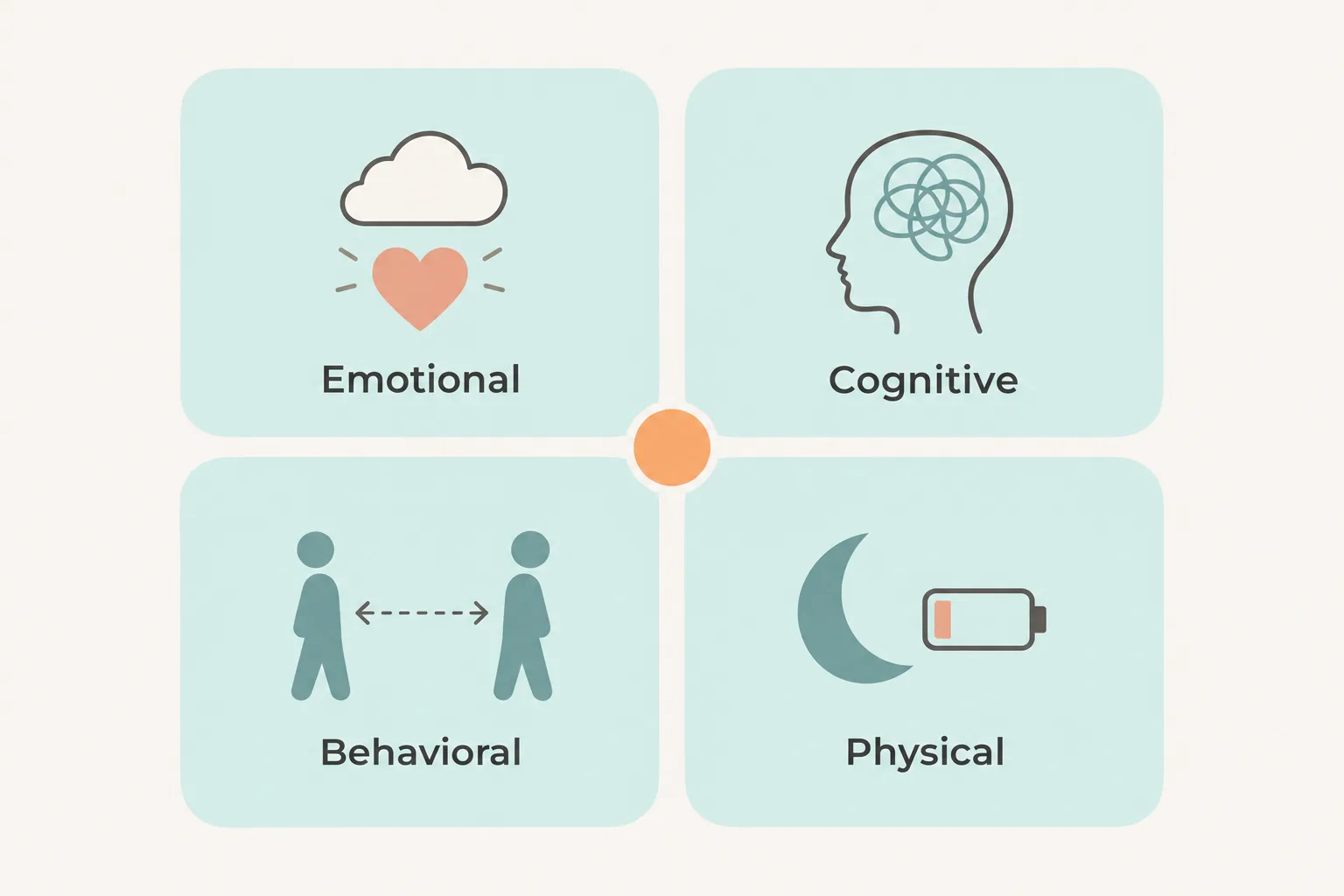
| Type | Signs |
|---|---|
| Emotional | Persistent sadness or tearfulness, emptiness, hopelessness about the future, guilt or worthlessness, irritability that surprises you, numbness or detachment from the pregnancy. |
| Cognitive | Trouble concentrating, forgetting things you would normally hold onto, difficulty making small decisions, intrusive thoughts about being an inadequate parent. |
| Behavioral | Pulling away from your partner and friends, skipping or postponing prenatal appointments, losing interest in preparing for the baby, getting no pleasure from things you used to enjoy. |
| Physical | Sleeping far more or far less than exhaustion alone explains, appetite loss or marked overeating, low energy that rest does not repair. |
The National Institute of Mental Health lists low mood persisting for at least two weeks and loss of interest among the signs of perinatal depression. The two-week period helps clinicians assess a depressive episode; it is not a rule to wait before seeking care. A clinician can also check whether something else is contributing to the symptoms.
When to Seek Immediate Help
If you have suicidal thoughts, thoughts of harming someone, or feel unable to stay safe, seek help right away. In the U.S., call or text 988 for immediate crisis support. If there is immediate danger, an intent or plan to harm, or a medical emergency, call 911 or go to an emergency department.
Why Pregnancy Hides Depression
Fatigue, changes in sleep or appetite, and low energy can occur in pregnancy and can also be signs of depression. Because symptoms overlap, it can be hard to tell what is happening on your own. Persistent low mood, hopelessness, or loss of interest are reasons to bring up the change with your care team. A screening questionnaire and conversation can help clarify what support you need.
When Depression During Pregnancy Usually Starts
Symptoms can begin at any point in pregnancy, and their timing varies from person to person. If you have had depression before or take an antidepressant, discuss pregnancy and any proposed medication change with your prescriber. Your history and current symptoms matter more than a prediction about when symptoms might return.
Depression, Anxiety, and Baby Blues: Telling Them Apart
Anxiety in early pregnancy shows up as constant worry about miscarriage or the baby’s health, racing thoughts, restlessness, muscle tension, panic attacks, repeated checking (for bleeding, for symptoms, for a heartbeat), and reassurance-seeking that never quite lands. Depression and anxiety often travel together, and many pregnant people have both.
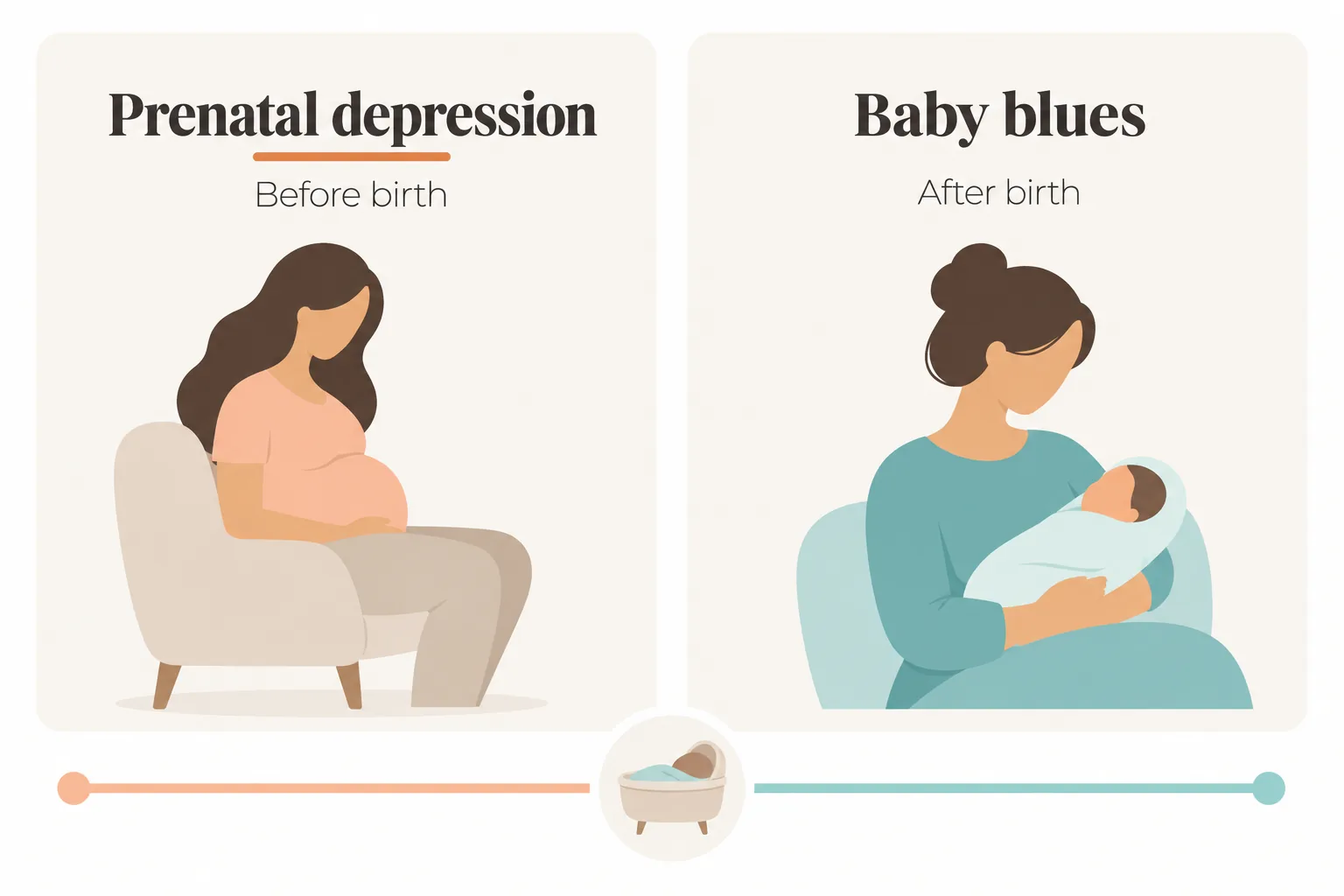
Baby blues happen after birth, not during pregnancy: mood swings and tearfulness that begin within days of delivery and lift on their own within about two weeks. If what you feel is happening before delivery, it is not baby blues.
Postpartum depression runs deeper than the blues, lasts longer, and needs treatment. Minnesota Women’s Care’s postpartum care includes screening for postpartum depression and emotional health.
Unwanted, frightening thoughts about harm to the baby can occur with perinatal mental-health conditions and do not, by themselves, establish an intent to act. Tell a clinician about these thoughts so they can assess what you are experiencing and your safety. If you intend harm, have a plan, or cannot keep yourself or someone else safe, use the emergency guidance above.
Factors That Can Increase Risk of Depression During Pregnancy
There is no single cause, and having a risk factor does not mean you will develop depression. Experiences and health history worth discussing with a clinician include:
- Personal or family history of depression, anxiety, or bipolar disorder, or a previous episode of postpartum depression
- Changes to psychiatric medication without an individualized plan
- Hormonal and physical changes during pregnancy
- Life stressors, such as financial strain, relationship conflict, violence, or isolation
- Pregnancy complications or other stressful experiences
- Physical health concerns that may contribute to fatigue or mood changes and warrant assessment
How to Know If What You Feel Is Depression
Prenatal care should include screening. ACOG recommends depression and anxiety screening at the initial prenatal visit, later in pregnancy, and at postpartum visits, using a validated tool. Common tools are the Edinburgh Postnatal Depression Scale and the PHQ-9. A score flags concern; it does not diagnose. A clinician confirms.
If you have concerns, raise them now even if you have not been screened. Plain wording works: “I’ve felt down, and I’m not enjoying anything. I’d like to talk about whether this could be depression.”
You can note when symptoms began, how they affect your day, and what medications you take. Notes may help the conversation, but keeping a log is optional and should not delay contacting a clinician.
ACOG also calls for bipolar-disorder screening at the start of care or after a positive depression or anxiety screen, to inform the next steps.
At Minnesota Women’s Care, prenatal care visits include time to discuss your health history and questions. Tell your care team about emotional changes and ask what evaluation or support is available for you.
Treatment Options During Pregnancy
Therapy may include cognitive behavioral therapy (CBT) or interpersonal therapy (IPT), both evidence-based approaches for perinatal depression.
Medication may be part of an individualized treatment plan, depending on symptoms and health history. Discuss the benefits and risks with your prescriber; do not start, change, or stop psychiatric medication on your own during pregnancy.
Support structures matter: perinatal mental health specialists, peer support groups, and real coordination between your therapist and your obstetric team.
Lifestyle supports (movement, protected sleep, daylight, regular meals, less isolation) help alongside treatment, not instead of it.
In the U.S., the National Maternal Mental Health Hotline offers free, confidential support around the clock for pregnant and postpartum people and their families. Call or text 1-833-TLC-MAMA (1-833-852-6262). For a crisis or immediate danger, use the guidance above.
Why Untreated Depression During Pregnancy Matters
Depression can make sleep, eating, relationships, or keeping up with prenatal care harder for some people. Symptoms may also continue after birth. These are possible risks, not inevitable outcomes for every pregnancy.
Treatment decisions should consider the potential benefits and risks of therapy or medication alongside the risks of leaving depression untreated. Your clinician can help you weigh those options for your circumstances.
How Partners and Family Can Help
Skip “you should be happy” and “it’s just hormones.” Both land as dismissal.
Try this instead: “You haven’t seemed like yourself lately. What can I take off your plate?” Then take something off it: cooking, older kids, laundry, appointment logistics. Offer to come to the prenatal visit and, if asked, to be the one who says out loud what you have noticed.
Protect sleep where you can. Watch for what the pregnant person may not see: withdrawal, missed appointments, comments about being a burden. If someone mentions suicide, intent to harm, a plan, or an inability to stay safe, act immediately using the crisis or emergency guidance above.
Frequently asked questions
Can pregnancy cause depression?
When does pregnancy depression usually start?
How do I know if I’m depressed in pregnancy?
What are the signs and symptoms of anxiety in early pregnancy?
Is it normal to feel disconnected from my baby during pregnancy?
Can I take antidepressants while pregnant?
If you recognize these signs, tell your obstetric clinician or midwife now. To ask Minnesota Women’s Care about appointments and care options, contact us. Prenatal depression is treatable, and you deserve support.
This article is general information, not medical advice. Talk with your healthcare provider about your own symptoms and care.