

An Rh-negative blood type is not an illness. During pregnancy, your blood type and antibody screen help your care team decide whether Rh-related follow-up is needed. The next steps depend on your results, pregnancy history, and how far along you are.
What Rh Negative Blood Means in Pregnancy
In routine prenatal blood typing, Rh-positive or Rh-negative usually refers to whether red blood cells carry the D antigen. Your result appears alongside your ABO blood group, such as A-negative or O-positive.
Rh-negative status is a blood type, not a disease. It usually does not cause symptoms. During pregnancy, it can matter if the fetus may be RhD-positive because exposure to fetal blood can lead to anti-D antibodies. Rh status also matters for matching blood transfusions.
A fetus inherits RhD status from its biological parents. The other parent’s blood type may help estimate whether the fetus could be RhD-positive; ask your care team whether that information would affect your care.
How Rh Incompatibility Can Affect a Baby
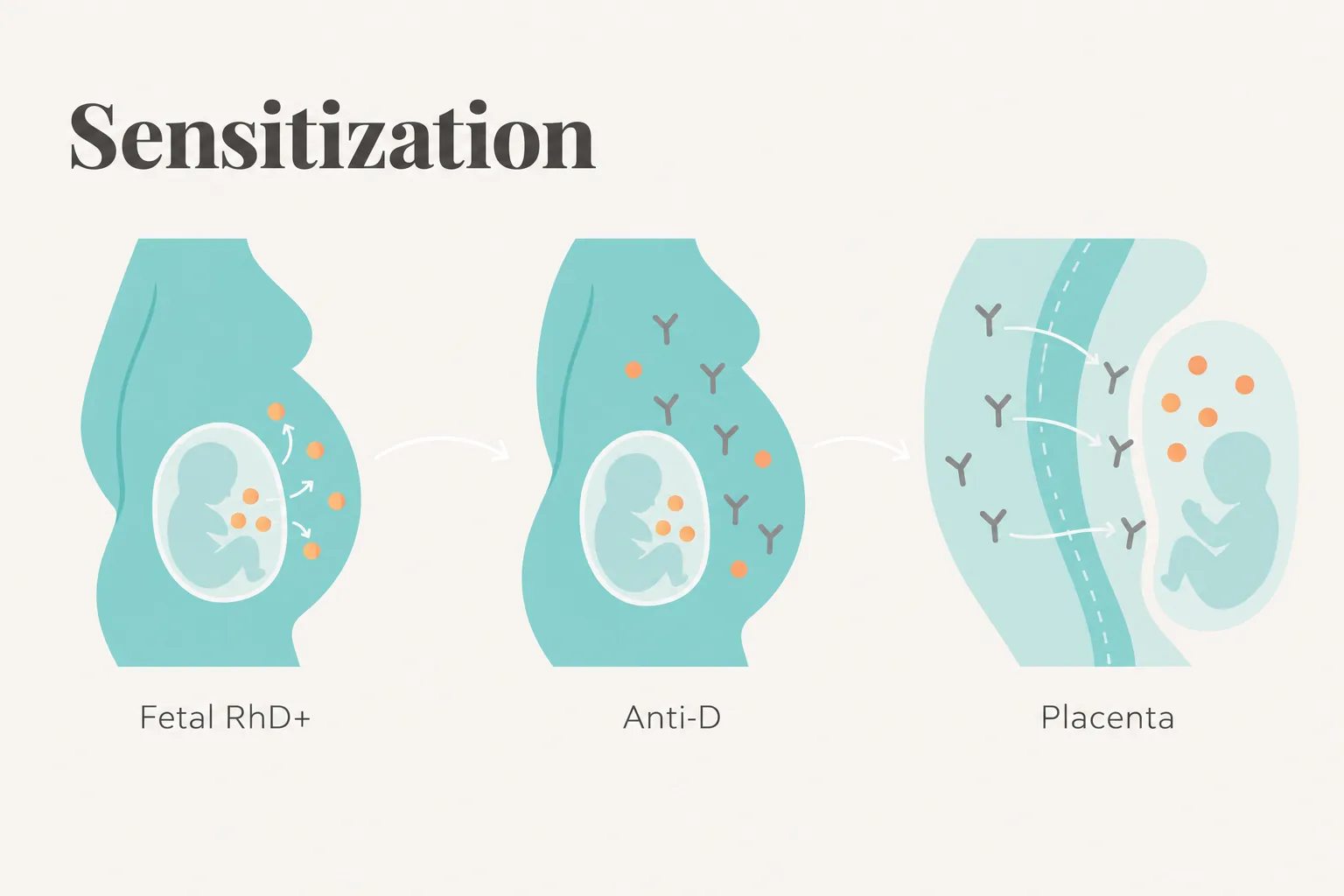
Pregnant and fetal blood usually circulate separately. Small amounts of fetal blood can enter the pregnant person’s circulation around delivery or after some events, including bleeding, abdominal trauma, or certain procedures. Pregnancy loss or ectopic pregnancy may also involve exposure; the need for follow-up depends on the circumstances and current guidance.
If an RhD-negative person’s immune system is exposed to RhD-positive fetal blood, it may make anti-D antibodies. This is called sensitization or alloimmunization. In a pregnancy with an RhD-positive fetus, immune anti-D antibodies can cross the placenta and destroy fetal red blood cells, causing hemolytic disease of the fetus and newborn (HDFN). HDFN can range from anemia or newborn jaundice to severe complications. Read ACOG’s patient guide to the Rh factor and pregnancy for more detail.
Does Rh Incompatibility Affect a First Pregnancy?
A first pregnancy is often unaffected when immune anti-D antibodies are not already present. It is not guaranteed, because sensitization may have happened after an earlier pregnancy, pregnancy loss, transfusion, or another exposure. Exposure during the current pregnancy may also lead to sensitization. Your care team uses your antibody results, pregnancy history, and fetal RhD status when deciding on prevention or monitoring.
Does Rh Sensitization Cause Symptoms?
Rh sensitization usually causes no symptoms a pregnant person can feel. An antibody screen detects antibodies. If clinically significant antibodies are present, the care team may monitor the fetus for anemia. Feeling well cannot tell you whether antibodies are present or whether the fetus needs monitoring.
How Rh Status Is Tested During Pregnancy
At an early prenatal visit, a blood test checks ABO blood type and RhD status. An antibody screen (also called an indirect antiglobulin or indirect Coombs test) checks for antibodies that could affect pregnancy. MWC’s guide to first-trimester prenatal tests explains how blood type and Rh testing fit into routine early-pregnancy labs.
If the antibody screen is negative, your clinician may repeat it around 28 weeks before deciding on Rh immune globulin. If it is positive, additional testing may identify the antibody and guide monitoring. A positive anti-D result needs clinical interpretation; after a recent RhIg dose, passively transferred anti-D can also appear on an antibody screen. The Mayo Clinic overview of Rh factor testing explains the basic test and follow-up.
If immune antibodies are identified, monitoring depends on which antibody is present, your history, and the results. Your clinician may arrange maternal-fetal medicine (MFM) consultation. Do not interpret antibody titers or thresholds on your own; these are specific to the clinical situation.
Rh Immune Globulin (RhIg): When It May Be Recommended
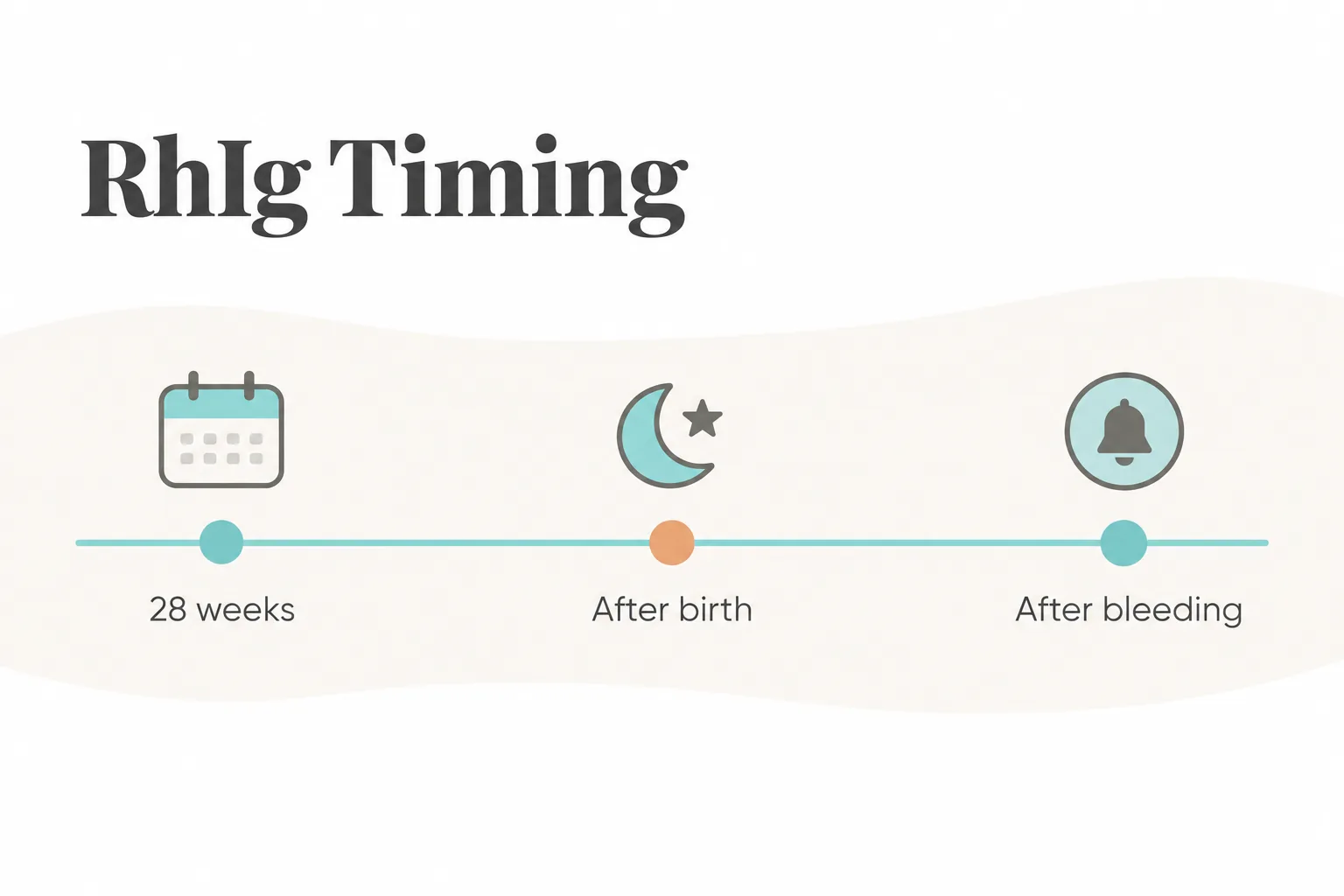
Rh immune globulin (RhIg), sometimes called anti-D, is an injection used to reduce the chance that an unsensitized RhD-negative person will develop immune anti-D antibodies after exposure to RhD-positive blood. RhoGAM is one brand of RhIg. RhIg does not treat established immune anti-D sensitization.
The timing is individualized. Common points when RhIg may be discussed include:
| Situation | What to ask your care team |
|---|---|
| Around 28 weeks | Whether RhIg is recommended based on your RhD and antibody results. |
| After birth | Whether a postpartum dose is recommended if the newborn is RhD-positive; when recommended, it is commonly given within 72 hours. |
| After bleeding, trauma, a procedure, ectopic pregnancy, or pregnancy loss/abortion | Contact your care team promptly. Whether RhIg is recommended depends on the event, gestational age, antibody status, and current clinical guidance. |
Commonly reported reactions include soreness, swelling, or redness at the injection site; rash, body aches, or a slight fever can also occur. Severe allergic reactions are possible. A recent dose can affect antibody test results. See the official RhoGAM prescribing information for product-specific safety information.
What If Immune Anti-D Antibodies Are Present?
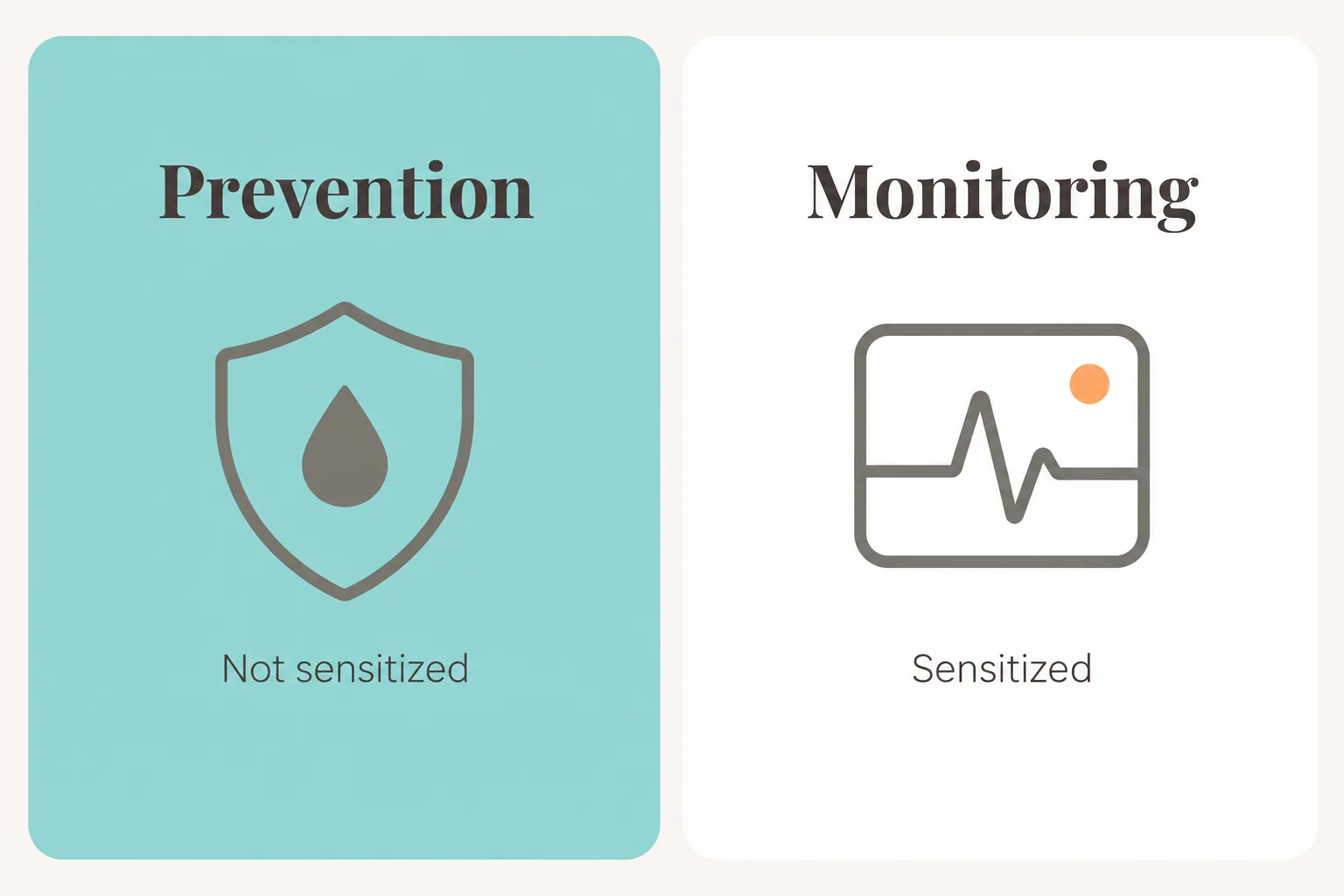
When immune anti-D is already present, RhIg is not used to reverse sensitization. The care team may follow antibody results and monitor fetal well-being; MFM may be involved. If testing suggests fetal anemia, specialist-directed care may include an intrauterine transfusion or planning delivery. A newborn may need phototherapy or a transfusion, depending on the baby’s condition.
Questions to Ask Your Pregnancy Care Team
- What are my RhD type and antibody-screen results?
- If my screen is positive, which antibody was found, and could a recent RhIg dose affect the result?
- Do my pregnancy history or test results change the usual RhIg or monitoring plan?
- After a recent bleeding episode, injury, procedure, or pregnancy loss, what should I do next?
After vaginal bleeding, an abdominal injury, a procedure, ectopic pregnancy, or pregnancy loss, contact your pregnancy-care team promptly and tell them how many weeks pregnant you are and what happened. Some decisions are time-sensitive. If a recommended dose was delayed, still contact your clinician for advice.
FAQs About Rh-Negative Pregnancy
Related readingHow Many Prenatal Appointments Do You Have During Pregnancy?Read the guide →Frequently asked questions
What are the risks of an Rh-negative pregnancy?
Will Rh-negative cause miscarriage?
Is it hard to get pregnant if your Rh is negative?
When is RhIg usually given?
What does a positive antibody screen mean?
Explore MWC Prenatal Care
If you receive care at MWC or are considering the practice, explore MWC’s prenatal care options and use the scheduling link on that page to arrange a visit. Bring your RhD type, antibody-screen results, and relevant pregnancy or transfusion history to discuss with your clinician.
This article provides general information and does not replace advice from your pregnancy-care team. Bring your blood type, antibody-screen results, and relevant history to your clinician when discussing what applies to you.