

An obstetrician is a physician (MD or DO) who specializes in pregnancy, childbirth, and recovery after birth. An OB provides routine pregnancy care and manages complications, including conditions that may need surgery. Who you see at visits and who attends your birth depend on your medical needs and the practice’s care arrangements.
What Is an Obstetrician? A Plain Definition
Obstetrics is the branch of medicine covering pregnancy, labor and delivery, and the postpartum period. An obstetrician is a physician trained in all three.
- Pronunciation: ob-steh-TRISH-un. Most people shorten it to “OB.”
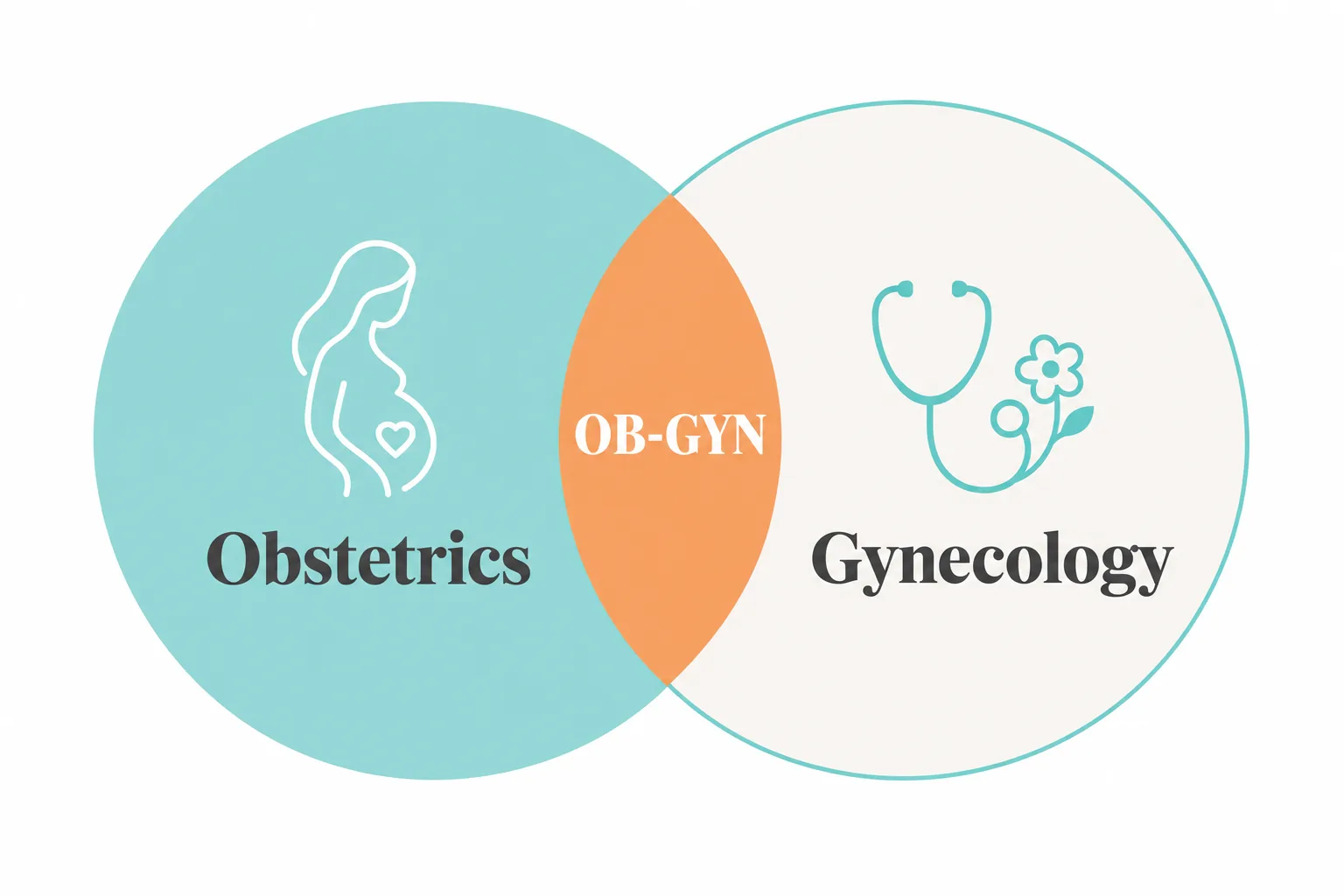
- OB vs OB-GYN: An OB-GYN is trained in both obstetrics and gynecology. Some clinicians focus their practice on one area.
- Surgical training: OB-GYN training includes medical and surgical care, such as cesarean birth and treatment of delivery complications.
MedlinePlus’s guide to pregnancy care providers explains how obstetricians, family physicians, and certified nurse-midwives can contribute to maternity care.
How Long Does It Take to Become an Obstetrician?
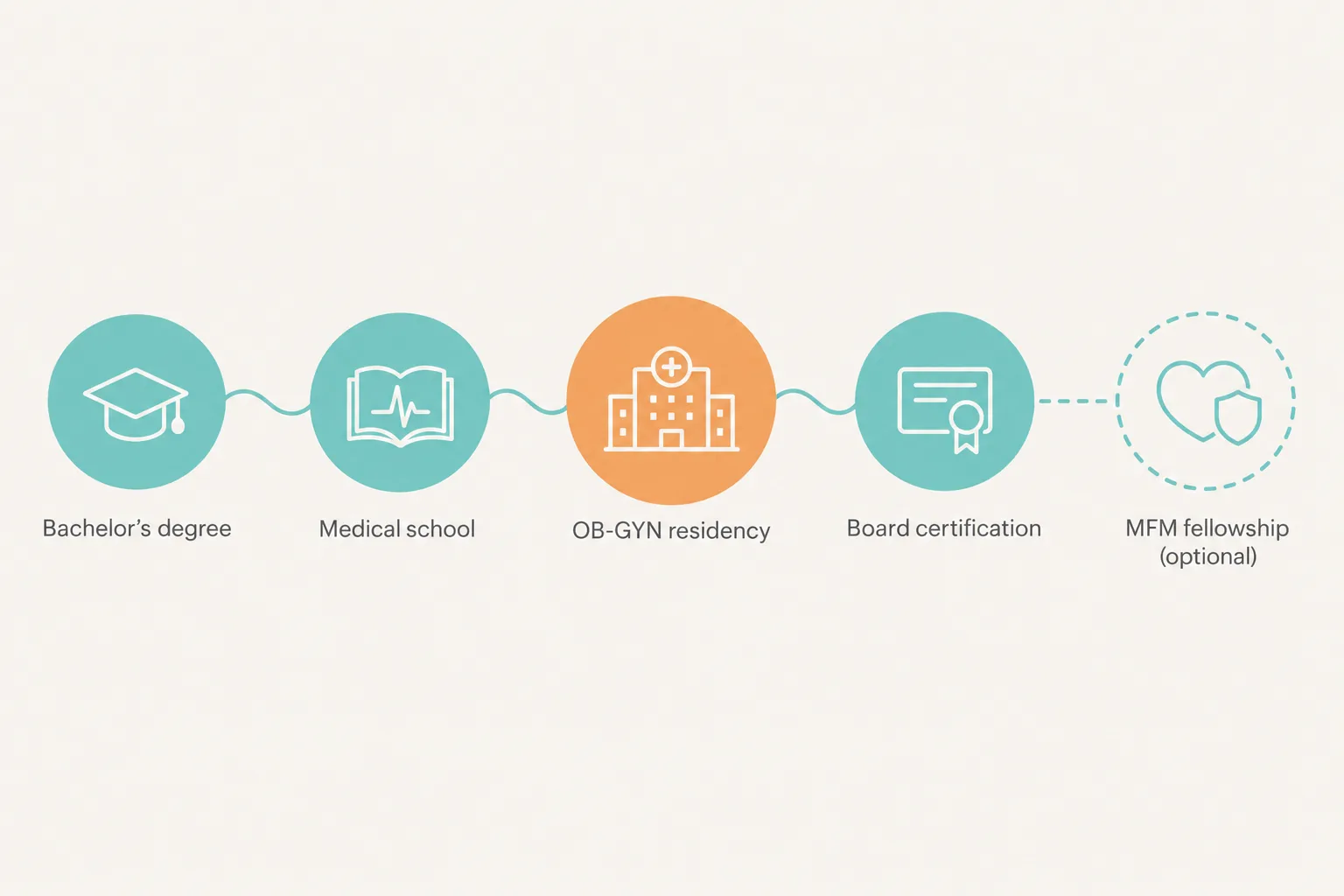
A future OB completes a bachelor’s degree, then medical school, then a residency in obstetrics and gynecology. Together, that is typically more than a decade of education and training after high school.
Residency is where the hands-on specialty training happens: prenatal care, managing labor, vaginal and cesarean deliveries, and gynecologic surgery. After residency, many OBs pursue board certification, which involves specialty exams and ongoing requirements. You can always ask a practice whether its physicians are board-certified.
Some obstetricians train further. Maternal-fetal medicine (MFM) specialists focus on high-risk pregnancies and complete a fellowship after residency. Jefferson’s MFM fellowship, for example, runs three years, with clinical time split between inpatient obstetric services and outpatient and ultrasound rotations.
What an Obstetrician Does at Each Stage
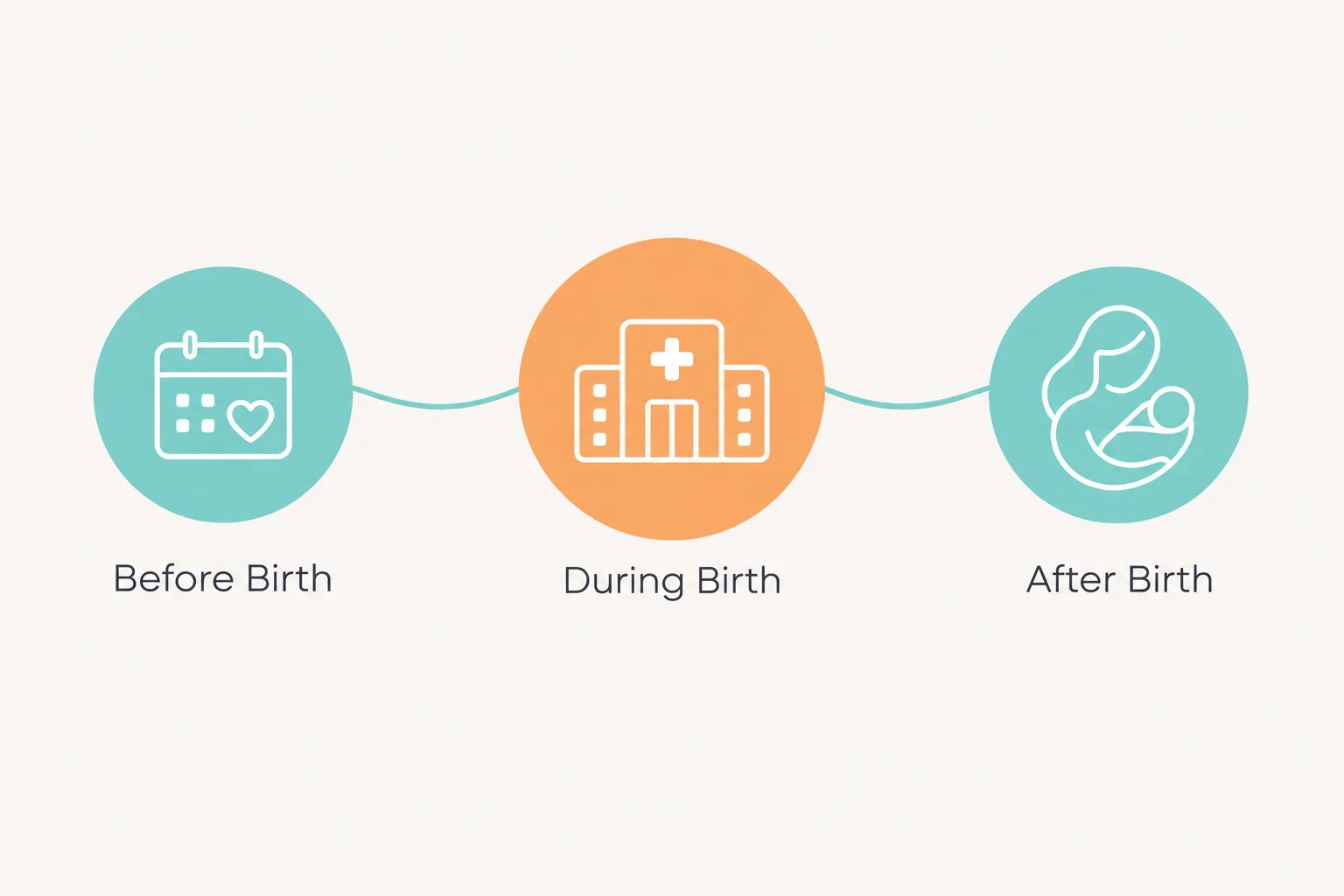
Before Birth: Prenatal Care
During prenatal care, your OB and other members of your care team may:
- Confirm the pregnancy, estimate your due date, and review your medical history
- Order and interpret lab work, ultrasounds, and prenatal screening
- Track blood pressure, weight, fetal growth, and the baby’s heart rate
- Screen for and manage conditions such as gestational diabetes and preeclampsia
- Counsel you on nutrition, medications, and warning signs
Preparing for your first visit? Our first prenatal appointment guide walks through what may be included and which questions to bring.
During Birth: Labor and Delivery
In the hospital, an obstetrician works with nursing, anesthesia, and other clinicians to assess labor and your baby’s well-being. OB-GYNs are trained to attend vaginal births, provide assisted vaginal delivery when appropriate, and perform planned or urgent cesarean births. They help lead treatment for complications such as heavy bleeding or concerns about the baby’s condition. MWC’s midwives and OB physicians provide birth care in hospitals.
After Birth: Postpartum Care
After birth, your OB or another postpartum clinician reviews your recovery. This can include healing after a tear or C-section, bleeding, blood pressure, and signs of infection. They also screen for postpartum depression and anxiety, and talk through feeding, contraception, and future pregnancies.
Ask your provider when they want to hear from you after birth and which symptoms should prompt a call right away. Recovery is a process, not a single checkup weeks later.
Seek medical care immediately for heavy bleeding, chest pain, trouble breathing, or a severe headache or vision changes.
CDC’s urgent maternal warning signs apply during pregnancy and after birth. Do not wait for a routine appointment if you have these symptoms.
Obstetrician vs Gynecologist vs OB-GYN
| Provider | Focus |
|---|---|
| Obstetrician | Pregnancy, childbirth, and postpartum care. |
| Gynecologist | Reproductive health outside pregnancy, such as annual exams, Pap tests, menstrual problems, and menopause. |
| OB-GYN | One physician trained in both. Many people keep the same OB-GYN for routine gynecologic care after their baby arrives. |
Some OB-GYNs focus on gynecology and do not provide delivery care. Ask what the specific clinician offers.
Why You Might Be Referred to an Obstetrician
An OB can provide care for routine pregnancy as well as complications. Another clinician may recommend an OB consultation or referral because of:
- Preexisting conditions such as diabetes, high blood pressure, or thyroid disease
- Pregnancy with twins or other multiples
- A history of pregnancy loss, preterm birth, or a previous C-section
- Complications that develop while you are seeing another type of provider
For higher-risk situations, your OB may also bring in a maternal-fetal medicine specialist.
Obstetrician, Midwife or Family Doctor: Who You See in a Team Practice
Obstetricians are not the only clinicians who care for pregnant patients. Certified nurse-midwives (CNMs) are graduate-trained clinicians who provide prenatal, birth, and postpartum care, usually for lower-risk pregnancies. Some family medicine doctors also provide prenatal care and deliveries.
Some practices offer shared care with OBs and CNMs. The visit rotation, consultations, and delivery attendant depend on your needs and the practice’s arrangements. An OB-GYN may provide advice, share care, or lead treatment if your medical needs change.
Our family doctor and OB comparison explains differences in maternity training and scope. MWC’s concierge OB care is provided through Family Medicine; ask how visits, delivery, and backup would work for you.
MWC’s profile of Dr. Sara Johnstone, MD describes her as a board-certified OB/GYN whose care includes routine and high-risk pregnancy and comprehensive women’s health.
What to Expect at Obstetrician Appointments
Visits often become more frequent as your due date approaches, but the schedule and checks depend on your pregnancy stage, history, and care plan. Your clinician may check blood pressure and weight, assess the baby’s heartbeat and, later in pregnancy, measure your belly to assess growth.
This belly measurement is called fundal height. Urine testing, bloodwork and ultrasounds are arranged according to your care plan; do not assume every test or exam happens at every visit.
When you start with a new OB, ask:
- Who will deliver my baby if my OB is not on call?
- How do I reach someone after hours?
- Which hospital does the practice deliver at?
- How do you approach birth preferences?
- Which exams or tests are recommended today, and why?
- Which visits might be with another clinician?
Frequently Asked Questions
Related readingJaimie Abeler, CNP – MWC PregnancyRead the guide →Frequently asked questions
Is an obstetrician a doctor?
What is the difference between a gynecologist and an obstetrician?
When should I first see an obstetrician?
Do I need an obstetrician if my pregnancy is low risk?
How long does it take to become an obstetrician?
Does a Pap smear involve a manual exam?
Start Prenatal Care With MWC Pregnancy
Starting early gives your care team time to get to know you and your health history. Explore prenatal care at MWC to discuss your history, care options, and next steps.
Bring your questions about who you will see, where you will give birth, and how to get help between visits. To ask about starting prenatal care, call (651) 600-3035.